
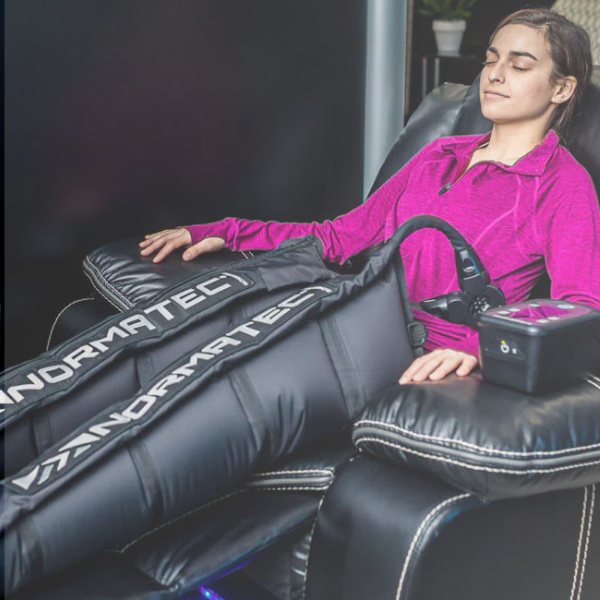
COMPRESSION THERAPY
Compression Therapy
A recovery-focused session using rhythmic pneumatic compression to support circulation and post-workout recovery routines.
What is Compression Therapy?
Compression Therapy uses controlled, sequential pressure to support circulation and recovery routines. Many clients use it after training, travel, or long days on their feet.
Sessions are comfortable and hands-free—just relax while the system cycles pressure through the legs (or other applicable areas) to support movement of fluid and circulation.
At Zivel, compression is commonly stacked with services like cryotherapy, red light therapy, infrared sauna, and dry float for a complete recovery session.
- Comfortable, hands-free recovery
- Popular after workouts, travel, and long shifts
- Stacks well with other modalities
Benefits
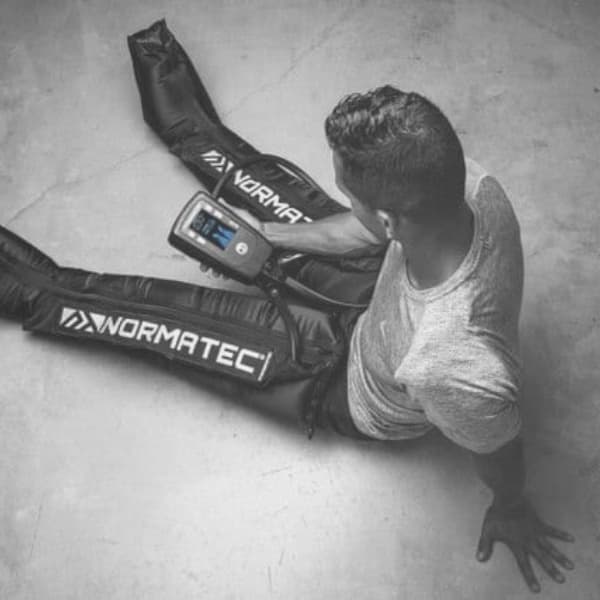
Key Benefits
Supports circulation and recovery routines
Sequential pressure can support blood flow and post-exercise recovery habits.
May help reduce the feeling of soreness
Often used after training days to support a lighter, less heavy-legged feeling.
Supports swelling and fluid movement routines
Commonly used after travel or long periods of standing.
Relaxing, passive session
A comfortable option when you want recovery without more effort.
Great for performance-minded clients
Often added between training sessions for faster turnaround.
Easy to combine with other services
Pairs well with cryotherapy, red light therapy, sauna, and dry float.
Pathways
Pathways That Include Compression Therapy
The Experience
What to Expect
Arrival & Fit
Check in and get fitted into compression sleeves/boots comfortably.
Compression Cycles
Relax while sequential pressure cycles through chambers in a guided pattern.
Post-Session
Many clients feel lighter and more recovered. Return to normal activity immediately.
Recommended Frequency
Commonly used 1–4x per week depending on training, travel, and recovery needs.
The Science
The Science Behind Pneumatic Compression
Pneumatic compression is used in recovery and wellness routines to support circulation and movement of fluid through the limbs.
Zivel's compression sessions are designed to be comfortable, consistent, and easy to stack with other recovery modalities.

Safety First
Safety & Contraindications
Is Compression Therapy Safe?
Compression therapy is generally well tolerated for most people when properly fitted and used at appropriate settings.
If you have vascular conditions, history of blood clots, or any medical concerns, consult your healthcare provider before use and inform your Zivel team.
This information is for educational purposes only and is not medical advice. Always consult a qualified healthcare professional with questions about your health.
Contraindications
- Known or suspected blood clots / DVT
- Severe peripheral vascular disease
- Uncontrolled heart failure (consult clinician)
- Severe pain or active injury where compression is not advised
- Any condition your clinician advises against compression therapy
Testimonials
What Clients Say
Compression is my go-to after leg day. I feel lighter and recover faster.
Great after traveling. My legs don't feel as heavy afterward.
Easy, relaxing, and it stacks perfectly with red light and sauna.
Pricing Options
- Great for first-time clients
- Flexible scheduling
- Upgrade to membership anytime
- Best value per session
- Monthly benefits and discounts
- Ideal for consistent routines
- Multi-session packages
- Better value than single sessions
- Flexible use over time
Contact the local studio for specific pricing options and plans.
Book Now
Book Your Compression Therapy Session
Choose a location and time that works for you. Relax, recover, and get back to your day.
Questions
Compression Therapy FAQs
How long is a session?+
Session lengths vary by location and protocol. Your studio will confirm timing at booking.
Does it hurt?+
Most clients find it comfortable. Pressure is adjustable and should not be painful—tell your provider if anything feels too tight.
When should I use compression—before or after workouts?+
Most clients use it after workouts or on rest days as part of a recovery routine.
How often should I do compression therapy?+
It depends on your activity and recovery needs. Many clients use it 1–4 times per week.
Can I stack it with other services?+
Yes. Compression stacks well with cryotherapy, red light therapy, infrared sauna, and dry float.
Who should avoid compression therapy?+
If you have a history of blood clots, severe vascular issues, or clinician restrictions, consult your healthcare provider before use.
Evidence