
DRY FLOAT
Dry Float
Deep relaxation and recovery—float fully clothed in a zero-gravity environment without getting wet.
What is Dry Float Therapy?
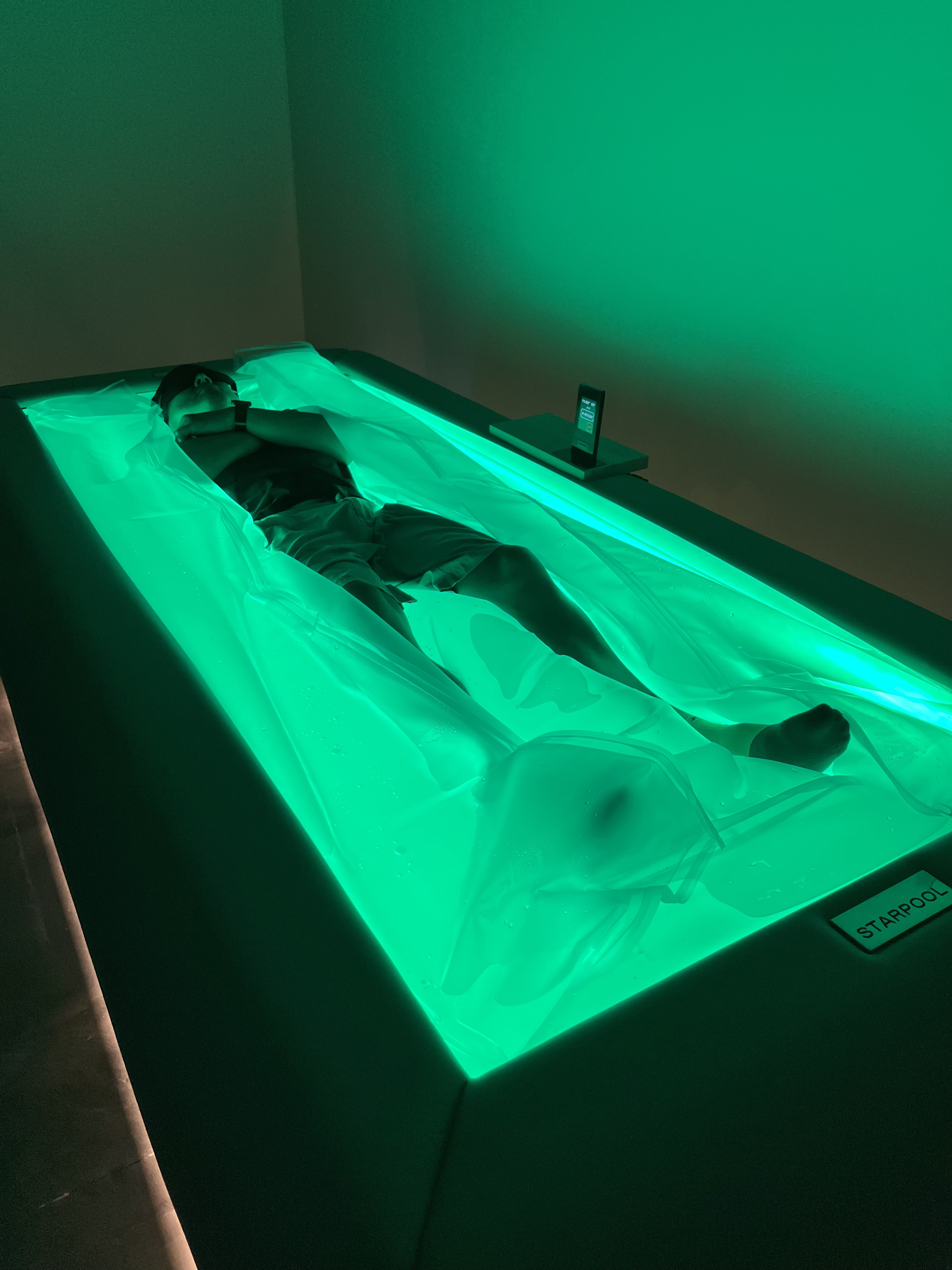
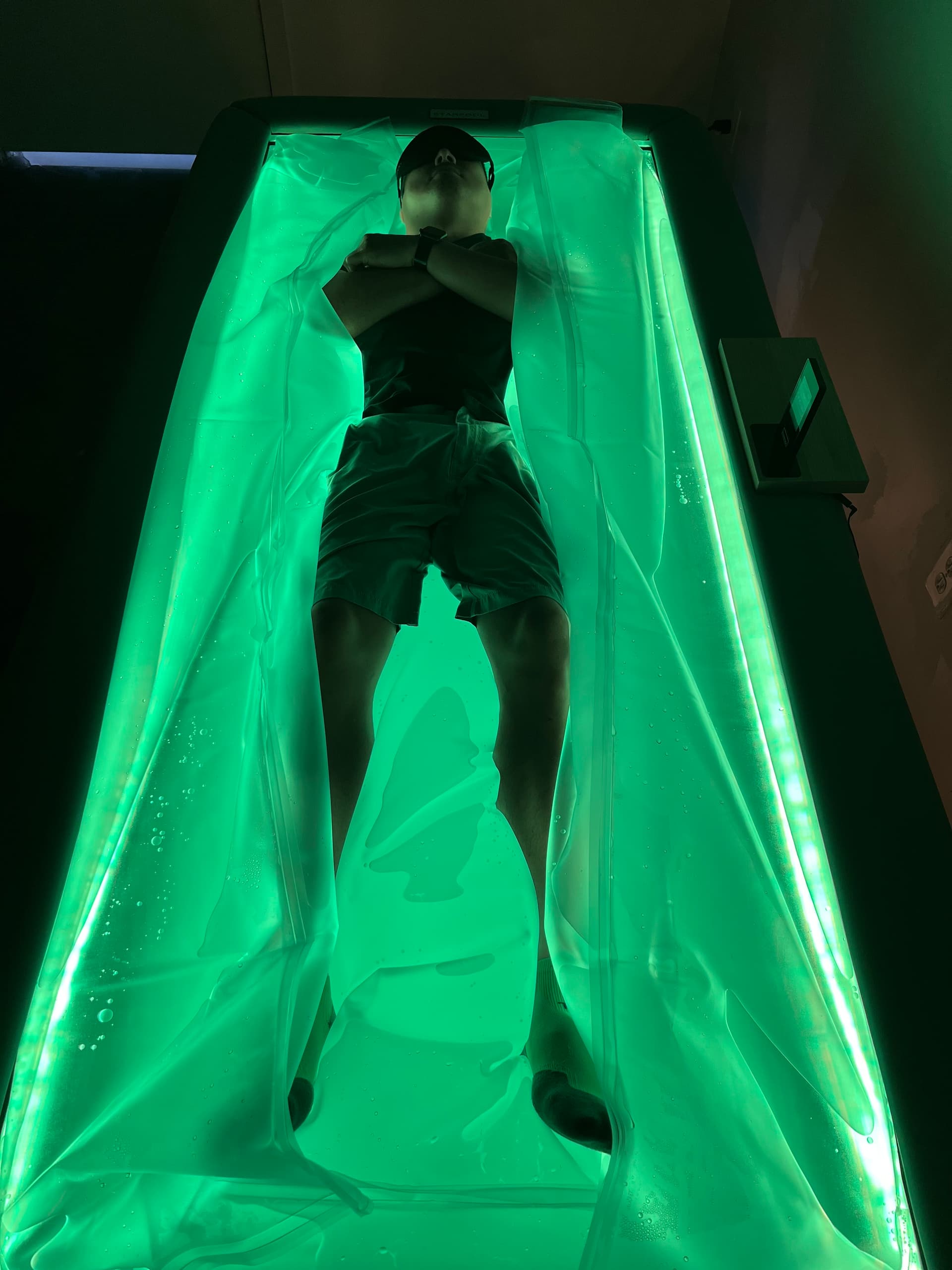
Dry Float therapy offers many of the relaxation benefits of floating, without water or Epsom salt. You lie on a comfortable membrane while warm water below creates a weightless, zero-gravity feel.
The result is a calming, supportive environment that many clients use for stress reduction, recovery days, improved sleep routines, and mental clarity.
At Zivel, dry float is designed to be easy: you stay dry, you stay clothed, and you leave feeling reset.
- Zero-gravity feel without water contact
- Comfortable, calming experience
- Great on recovery days or high-stress weeks
Benefits
Key Benefits
Deep relaxation & stress reduction
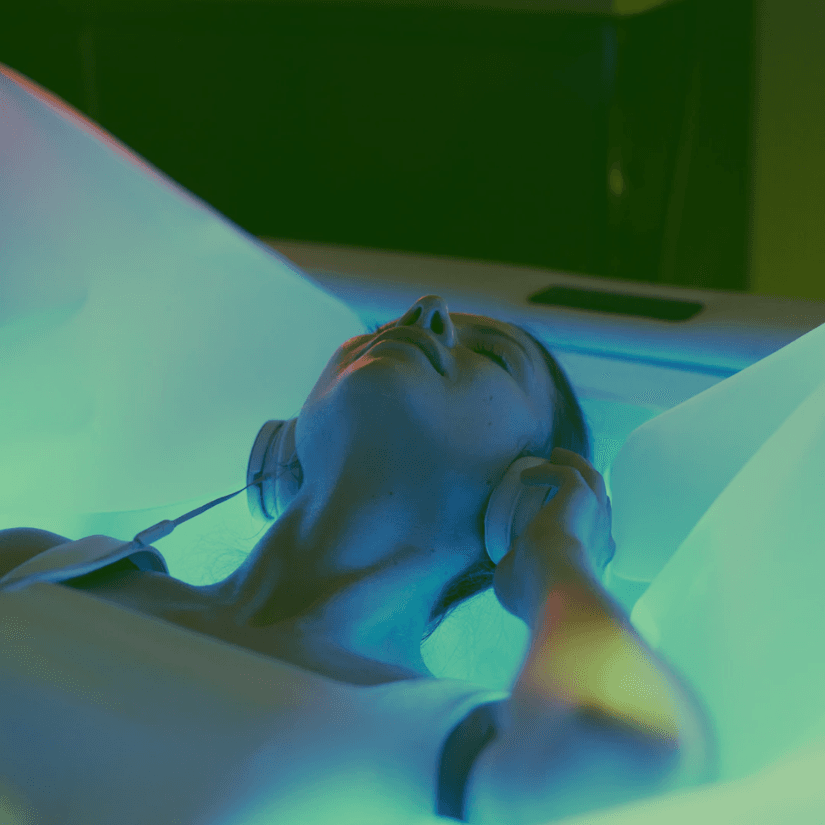
Many clients use dry float as a nervous system reset—quiet, calm, and restorative.
Supports recovery days and soreness routines
A weightless-feeling session can complement recovery stacks and rest days.
May support sleep routines
Often used in evening routines or high-stress weeks to promote relaxation before bed.
Mental clarity & mood support
Quiet time + sensory reduction can support a refreshed, clear-headed feeling.
Comfortable and accessible
Unlike traditional float tanks, dry float keeps you dry and fully clothed—no shower required.
Stacks well with other recovery services
Pairs well with red light therapy, compression, and sauna for a full reset.
The Experience
What to Expect
Arrival & Setup
Check in and get oriented. You'll stay clothed and comfortable for the session.
Float Experience
Lie back as the warmed water beneath the membrane creates a zero-gravity feel—quiet, calm, and restorative.
After the Session
Most clients feel relaxed and refreshed. Hydrate and continue your day—or stack another service.
Recommended Frequency
Many clients use dry float 1–2x/week for stress support, recovery days, or sleep routines.
The Science
The Science Behind Floating
Float-based relaxation experiences are studied for their effects on stress reduction and relaxation response. Dry float uses a similar concept—weightless feel and sensory reduction—while keeping you dry.
Zivel's approach focuses on consistent, restorative sessions and pairing dry float with complementary modalities based on your goals.
Safety First
Safety & Contraindications
Is Dry Float Safe?
Dry float is generally comfortable and low-impact for most people. If you have conditions affected by heat, pressure sensitivity, or difficulty lying flat, your studio team can help you decide what's appropriate.
If you have medical conditions, are pregnant, or have any concerns, consult your clinician before use.
This information is for educational purposes only and is not medical advice. Always consult a qualified healthcare professional regarding contraindications or medical concerns.
Contraindications
- Heat sensitivity or intolerance (as applicable)
- Acute illness/fever
- Conditions where your clinician advises against heat/relaxation therapies
- Pregnancy (consult your clinician)
Testimonials
What Clients Say
Dry float is my weekly reset. I leave feeling calm and recovered—without getting wet.
Perfect on recovery days. I stack it with red light and feel like my whole system calms down.
I didn't know I needed this until I tried it. It's like a deep exhale for my nervous system.
Pricing Options
- Great for first-time clients
- Flexible scheduling
- Upgrade to membership anytime
- Best value per session
- Monthly benefits and discounts
- Ideal for consistent routines
- Multi-session packages
- Better value than single sessions
- Flexible use over time
Contact the local studio for specific pricing options and plans.
Book Now
Book Your Dry Float Session
Choose a time that works for you. You'll stay dry and comfortable—no shower required.
Questions
Dry Float FAQs
Do I get wet during a dry float?+
No. You remain completely dry. You lie on a membrane surface while warm water underneath creates the floating sensation.
Do I need to shower before or after?+
Typically no, since you stay dry and fully clothed. Your studio can confirm any location-specific guidance.
What should I wear?+
Wear comfortable clothing. Many clients choose athletic wear or loungewear.
How long is a session?+
Each session varies, but most dry float sessions average between 20–30 minutes.
How often should I do dry float?+
Many clients use it 1–2 times per week for stress support, recovery days, or sleep routines.
Can I stack dry float with other services?+
Yes. Dry float pairs well with red light therapy, infrared sauna, and compression depending on goals.
Evidence